



My fabulous hoomans, have you ever stared at my glorious floofy tail and wondered what message I’m sending? I promise you, every flick, twitch and swish has meaning. We cats are experts in non-verbal communication and our tails are like furry mood indicators. Understanding these signals will make you a better companion, keep you out of the danger zone when I’m cross, and help you know when I’d like a cuddle or a game of chase.
Key Takeaways
- A cat’s tail is more than fluff – it’s a mood decoder.
- Straight up tail? That’s a happy hello from me.
- Puffed out tail? Give me space, I’m startled.
- Tail wrapped around you? Think of it as a furry hug.
- Low, rigid tails may mean I’m unwell – time to call the vet.
Did you know? My twitching tail tip means I’m laser-focused, ready to pounce on a toy mouse. What does your kitty’s tail say?
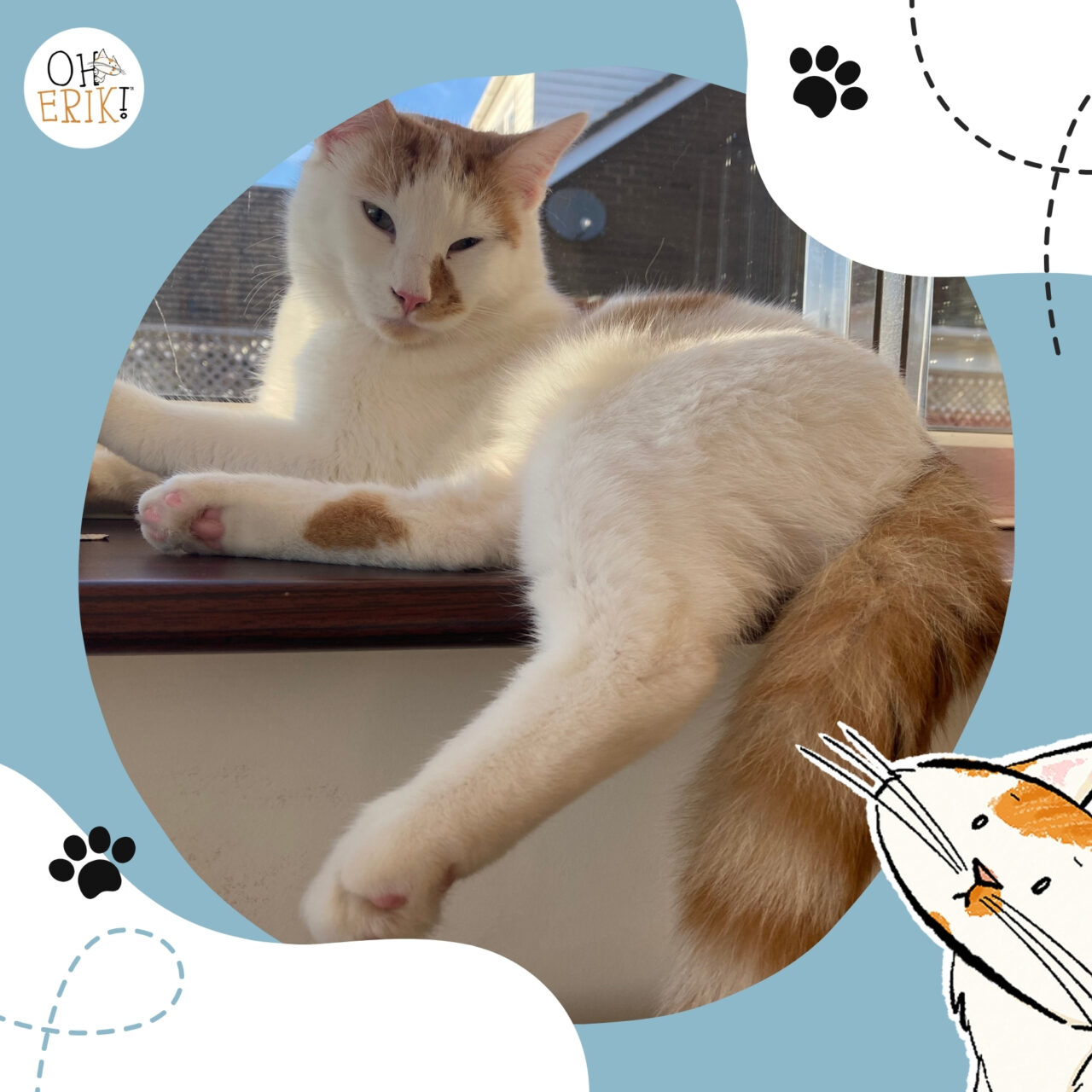
The Basics of the Tail.
Our tails are marvellous things. Inside each tail is a series of tiny bones (caudal vertebrae) wrapped in muscle, nerves and fur. This design allows us to balance on narrow ledges, leap gracefully, and send clear messages to our friends and hoomans.
Here are the main functions:
- Balance: crucial when I’m tiptoeing on the back of the sofa.
- Communication: an instant mood board for you to read.
- Social connection: used with body language and meows to chat with you or other cats.
Common Tail Positions and What They Mean
Understanding tail positions is a little like learning a secret code. Each movement is deliberate and often combined with ear flicks, whisker twitches and body posture.
Tail Straight Up
This is my way of saying hello. When I trot towards you with my tail held proudly upright, I’m confident, happy and glad to see you.
Quivering Tail
Sometimes my tail quivers at the tip, almost like a little shiver. This is excitement, often when greeting someone I love. Ernie does this whenever Mum comes home with treats.
Puffed-Out Tail
If my tail looks like a bottle brush, it means I’m startled or feeling threatened. It makes me look bigger to scare off danger. Best to give me space then.
Tucked Tail
When I curl my tail under my body, I’m anxious or unsure. This is common at the vet or in noisy environments.
Tail Wrapped Around
When I gently wrap my tail around Ernie or even around your leg, it’s affection. Think of it as a feline hug.
Tail Flicking or Lashing
A quick flick or lash means I’m irritated. Maybe you’ve petted me for too long. Time to stop before I deploy the claws.
Low Tail
A tail carried low, almost dragging, can signal pain or deep stress. It’s not typical for healthy, confident cats.
Twitching Tip
When the very end twitches, I’m focused. Often this happens when I’m stalking a toy mouse.
Quick Reference Table
| Tail Position | Likely Meaning | Suggested Human Response |
| Straight up | Happy, confident | Greet me warmly |
| Quivering | Excited, affectionate | Offer fuss or a treat |
| Puffed out | Fear, defensive | Step back, let me calm |
| Tucked | Anxious, submissive | Speak softly, reassure me |
| Wrapped around | Affection | Accept the hug and smile |
| Flicking / lashing | Irritated | Stop petting, give space |
| Low / dragging | Illness, stress | Monitor, consider a vet check |
| Twitching tip | Focused, playful | Dangle a toy mouse |
Not everything is black and white. Sometimes I’ll send mixed messages. For example, a slow swish might look like irritation but paired with crouched legs and forward ears, it’s actually playful hunting mode.
Kittens are especially tricky. Ernie’s tail twitches constantly, often for no reason other than kitten excitement. As we mature, our signals become clearer.
Other things to keep in mind:
- The same tail movement may vary depending on context.
- Combine tail language with ears, whiskers, body position and sounds.
- Past experiences affect how each cat expresses feelings.
When Tail Movements Suggest Something Is Wrong
Sometimes my tail tells you I’m not okay. Here’s what to look for:
- Rigid, low tail: may indicate pain.
- Overgrooming or chewing at tail: could signal fleas, allergies or stress.
- Sudden immobility: if my tail droops and I stop moving it, I may be injured.
You know my normal tail style, so if things change suddenly, book a vet appointment.
How Hoomans Should Respond
It’s not enough to decode; you also need to react wisely.
- When I’m happy: engage! Offer play, strokes, or a tasty snack.
- When I’m fearful: give me space and a safe hideaway.
- When I’m affectionate: reciprocate with a gentle fuss.
- When I’m irritated: stop immediately and respect my boundaries.
You can strengthen our bond by respecting these signals. For example, when Ernie’s tail is high and quivering, he loves it when Mum kneels down and strokes him under the chin. Positive reinforcement tells us we can trust you.
Conclusion: Cat Tail Meaning and Feline Moods
My tail is more than just a floofy accessory. It’s my way of talking to you, sharing my mood and letting you know what I need. If you learn to read it, you’ll know when I’m overjoyed, when I need comfort, and when it’s time to leave me be.
So keep your eyes on the tail, hooman. Decode the signals, respect my wishes, and we’ll share a stronger bond than ever.
Purrs,
Erik (and a whisker wave from Ernie)
PS: If you enjoyed learning about our tail talk, don’t forget to check out my other whisker wisdom on the Cat Blog and browse my pawsome Cat Gifts. Your kitty will thank you with a happy tail held high.