



Meow, fabulous humans! It’s me, Erik, Chief Nap Officer and occasional hallway sprinter, here with my little brother Ernie. Last month was a real whisker-twitcher. I was in and out of the vets most days, having tests and trying something called a “trial treatment”. Let’s just say my body did not approve. I had an adverse reaction that nearly ended in disaster, but thanks to the quick paws of my vet, I was treated and stabilised in time.
After a week or two, I was almost back to my charming self. Then came another Monday and more tests. The news? I have diabetes. Apparently, this means a new diet, regular treatment, and more vet visits for the rest of my nine lives. It got me thinking: last month we talked about nutrition, but now we should talk about something just as important… why seeing the vet regularly can keep pets like me and Ernie healthy, happy, and full of mischief.
Key Takeaways
- Regular vet check‑ups help catch tricksy illnesses like diabetes before they turn serious.
- Early detection can save lives and lead to simpler treatments.
- Diabetes can be managed with insulin, proper diet, and frequent monitoring.
- Home prep (like a cosy blanket in the carrier) and treats post‑visit can make vet trips less dramatic.
- Grooming, play, and mental stimulation boost health, especially when managing chronic conditions.
Ernie hid from the carrier. I just struck a glamorous pose. Vet visits save whiskers—especially when a surprise diagnosis pops up.
Why Vet Visits Matter
Let’s be honest, most pets think the carrier is a portal to doom. Ernie turns into liquid when he sees it, melting into the carpet in the hope he’ll be invisible. But here’s the truth: the vet is not out to ruin our day.
Regular visits can mean:
- Catching illnesses before they get serious
- Keeping vaccinations up to date
- Preventing nasty surprises like fleas or worms
- Checking teeth, eyes, and ears for hidden trouble
If I hadn’t been under watch when that trial treatment went wrong, well… Ernie might have been writing this article instead, and it would have been mostly about snacks.
Top tip from me: Even if your pet seems perfectly fine, regular check-ups give your vet a chance to spot things we can’t tell you about. We are experts at hiding discomfort – especially when we don’t want to look “weak” in front of our siblings.
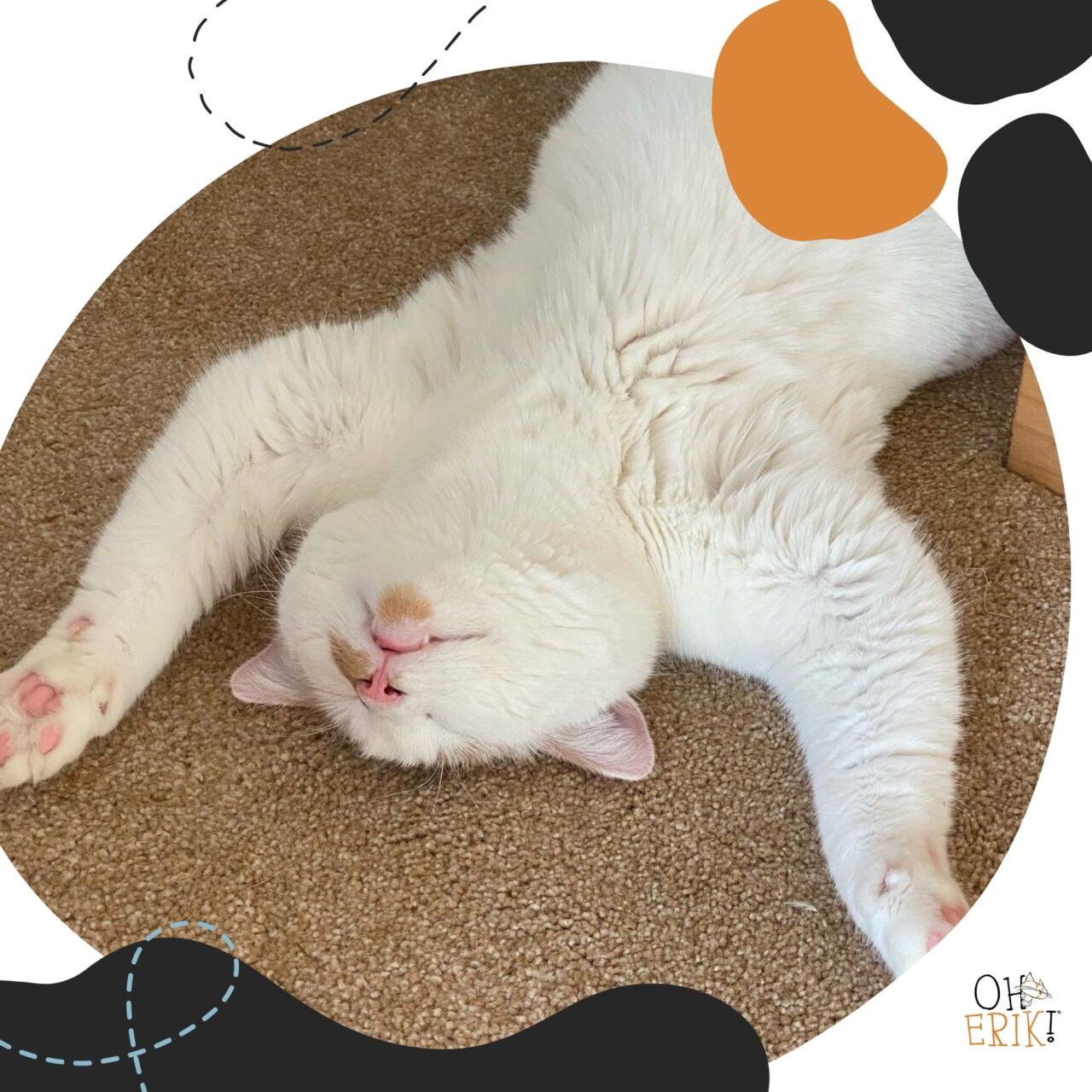
Lessons from the Nearly-Fatal Reaction
That trial treatment sounded fancy. I thought it was going to be like one of those gourmet pâtés. Instead, my body said “absolutely not” and staged a dramatic protest. My breathing changed, my energy dropped, and everything felt wrong. Luckily, Mum, Dad and the vet noticed immediately and acted fast.
Here’s the thing – without being in the right place, with the right experts, I might not have had the chance to complain about it later. This is why new treatments, supplements, or dietary changes should always be monitored.
What we learned:
- Not all pets respond the same way to the same treatment
- Reactions can happen suddenly, even in otherwise healthy animals
- Immediate vet care can save lives
Ernie says he stood guard at home, protecting my blanket from intruders while I was away. I think he just wanted to nap on it, but I’ll let him have that one.
Diabetes: A New Chapter
So, diabetes. At first, I thought it was a new biscuit brand. Turns out, it’s a health condition where my body struggles to manage blood sugar. My new life now involves:
- Special diabetic-friendly meals
- Regular insulin shots (not as scary as they sound)
- Frequent vet appointments to make sure everything is working
Here’s a simple look at how things have changed for me:
| Old Life | New Life with Diabetes |
| Crunchy treats whenever I meowed | Carefully measured treats that keep my sugar steady |
| Food based on “What smells good right now” | Food based on “What keeps me healthy” |
| Vet visits when I felt poorly | Vet visits on a regular schedule |
It’s a big change, but the good news is that with proper care, I can still chase toys, nap in sunny spots, and leap onto furniture just out of Ernie’s reach.
Fun Tips for Humans
Here’s my paw-picked guide to making vet visits less of a drama:
Preparing for the Visit
- Put a familiar blanket or toy in the carrier to make it smell like home
- Keep calm yourself – pets pick up on human stress
- Reward us after the visit (preferably with something edible)
Signs to Watch Out For
If you notice these, book a check-up sooner rather than later:
- Changes in appetite or thirst
- Lethargy or unusual hiding
- Weight loss or gain without reason
- Vomiting, diarrhoea, or litter tray troubles
Making Vet Care Routine
Ernie and I have agreed (well, I told him) that vet visits are now just part of life. If your pet gets used to the pattern, it becomes less scary. For example, we always get cuddles before and after, and sometimes there’s even a bonus ear scratch from the receptionist.
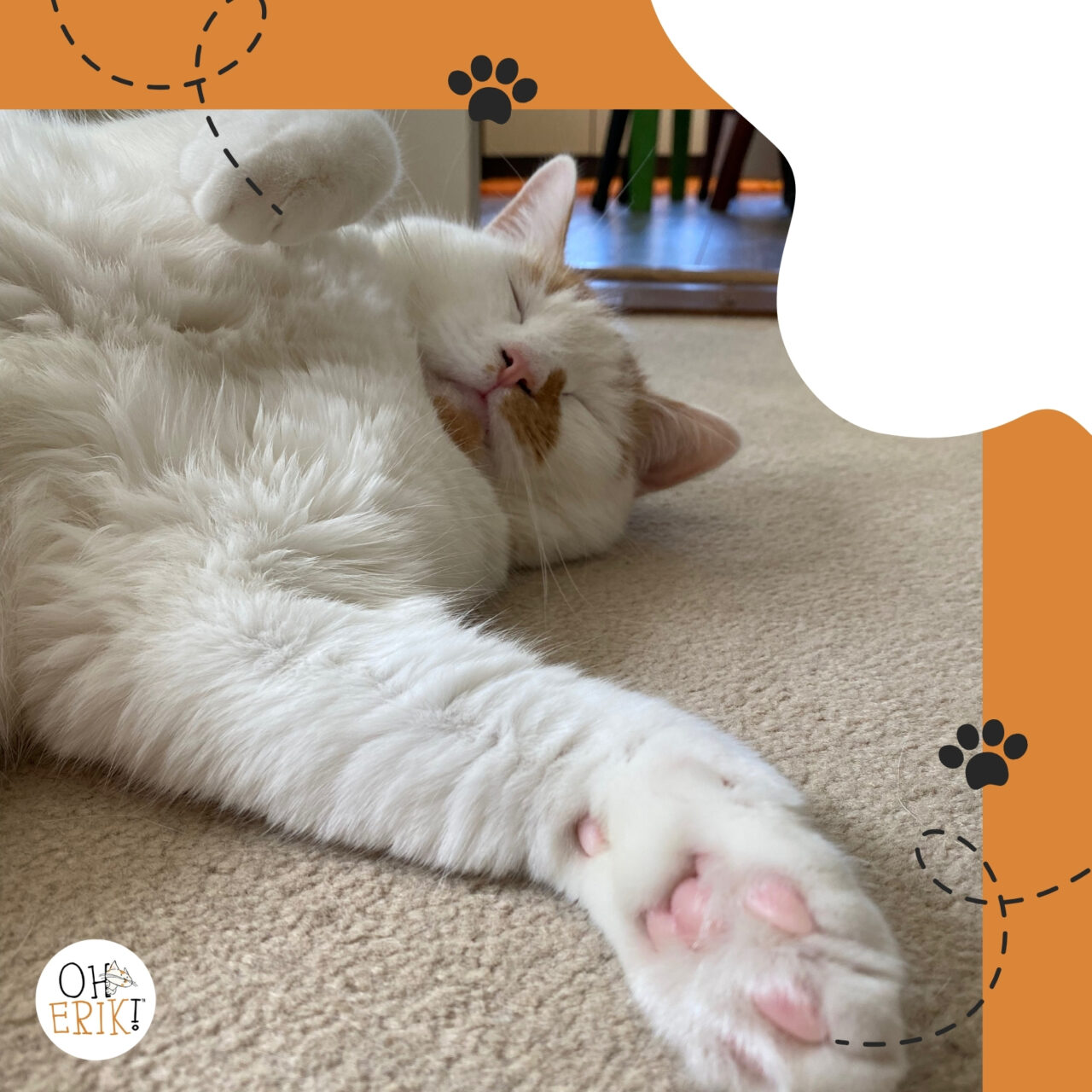
Grooming and Mental Health
Feeling healthy isn’t just about medicine and diet. Grooming and mental stimulation keep us looking and feeling fabulous. Even when I’ve been tired, a gentle brush makes me purr.
Things that help:
- Regular brushing to reduce furballs and keep coats glossy
- New toys or puzzle feeders to keep our brains busy
- Safe window perches for bird-watching breaks
- Short play sessions to keep joints and muscles strong
Ernie is particularly good at coaxing me into a game when I’d rather just loaf. I pretend to be annoyed, but secretly I’m grateful.
Conclusion and Whisker Wisdom
Here’s the truth from one pampered cat to the world: vet visits are not the enemy. They’re a form of love. They keep us pouncing, purring, and plotting new ways to wake you at 4am.
For me, regular check-ups now mean managing my diabetes, catching any changes early, and living the fullest of my nine lives. For Ernie, it means more years of big-brother guidance (and maybe a little bossing around).
So next time you book a vet appointment, remember: you’re giving your pet the gift of health and happiness. That’s worth every car ride, every thermometer, and even every “stay still, Erik” moment.
PS: Want to celebrate your own floof’s fabulousness? Pop over to the Oh Erik! shop for purr-fect gifts – from cheeky cards to cosy tote bags. Every purchase helps keep my adventures (and Ernie’s snack raids) going strong. 🐾
Further Reading
- Why Schedule Yearly Vet Visits for Your Cat?: Advice on how frequently cats of different ages should visit the vet for check‑ups.
- Managing Diabetes in Dogs & Cats: A practical overview of caring for diabetic cats with diet and medication advice.
- 15 Important Preventative Care Steps for Cats Why Vaccines and Vet Visits Matter: Holistic tips on vaccinations, parasite prevention, and daily cat wellness.